

The Revolutionary Long-Term Rental Program
By Jacki Wiluzanski · · Updated · 3 min read
The planning director is expected to publish a policy report soon that will introduce a new model for building apartments for long-term rental and will include significant building benefits for developers. "It will make it possible to live in sought-after areas even for those who cannot afford to buy an apartment in that area."
The model includes, among other things, significant benefits for builders so that the projects are financially viable for them despite rising interest rates. The new model offers a significant increase in the number of apartments on each floor, a number that can reach 12 apartments per floor, and most of them will be small and built without MM (in-apartment safe rooms). In this way, although the rent for each apartment will be lower, there will be more apartments in the building and the profit from rent will be high.
In addition, any residential building or complex will be designated for permanent rental, under the management of an entity that provides all services. The developer will only be able to sell the building as a whole and will not be able to sell individual apartments, and the buyer will also be required to offer the apartments for rent only. The lease to tenants will be for 5 years with an option to extend for another 5 years, updating the rent according to the index.
The amendment to the law recognized that a building for which a long-term rental designation was determined has unique characteristics and is different from the way of building for residential sale, so the emphasis on it is different. The amendment proposes that "housing density will be at least 40 units per dunam" and that "the building area in the plan intended for residential rental will be at least double what could be approved under the comprehensive plan." The scope of the service areas intended for all tenants will be high, including shared laundry service areas and meeting rooms.
Rental prices will be determined according to real market value, and the yearly rent increase will be the same as in the existing definition of long-term rental, so that it will give tenants security and allow them to "decide to set the center of their lives in a building intended for residential rental, and since it can be assumed that such buildings will be in sought-after areas, this will make it possible to live in sought-after areas even for those who cannot afford to buy an apartment in such an area."
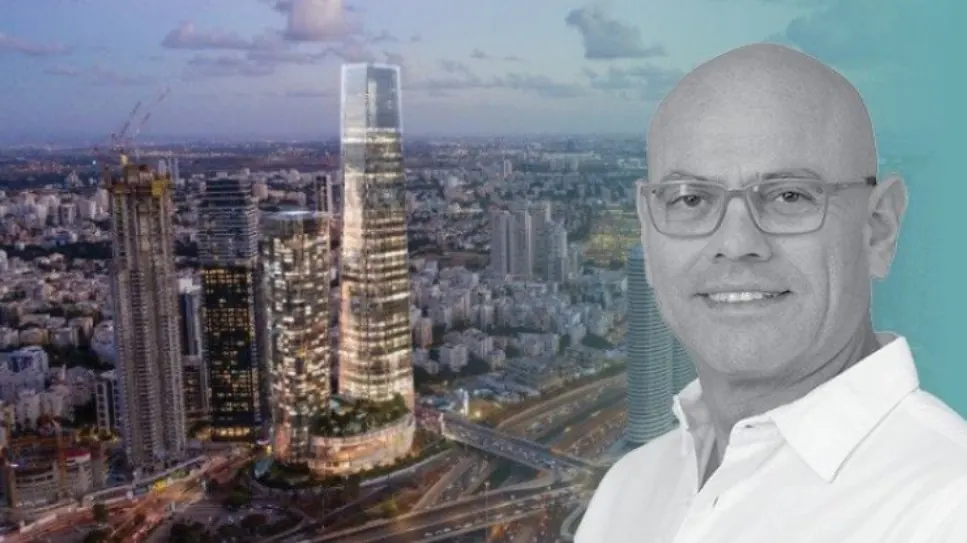
Last week the first project of this kind, by the company "Tidhar", which works at least in part according to the proposed model, was approved in the city of Givatayim. As part of the plan, a 64-floor tower will be built, with 500 small apartments, all intended for rent, including studios and 2- and 3-room apartments, of which 300 may be sold after 25 years and another 200 have been set aside for permanent rental. The plan offers managed apartments, including facilities and public areas. The rent will be determined according to market prices and is entirely subject to the decision of the project developer.
Director General of the Planning Administration, Rafi Elmaleh: "As part of a general initiative to diversify the real estate market, which will help, among other things, to address the issue of rent in Israel, the Planning Administration is launching a plan to design housing units for permanent rental. The goal is to define in advance groups of permanent housing intended exclusively for permanent rental. People will be able to rent an apartment in projects in very attractive areas close to employment zones, with maximum access to public transportation, and we call on developers to come and submit such plans to us."


