
The Roadmap to Buying an Apartment in Jerusalem: From Understanding the Market to Receiving the Keys
By Jacki Wiluzanski · · 9 min read
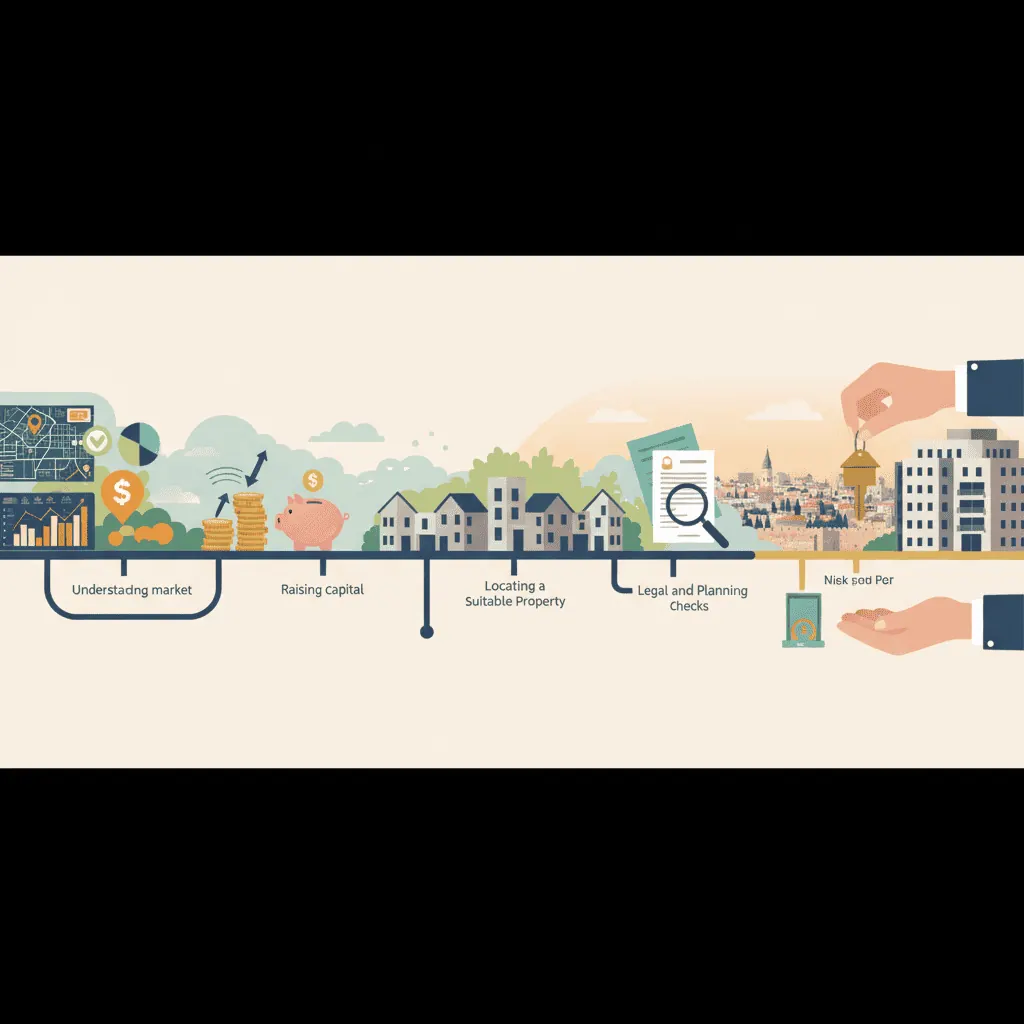
Buying an apartment in Jerusalem is a complex process that requires careful, precise planning. It starts with understanding the city's unique market and raising your equity, continues with finding a suitable property with the help of professionals, passes through legal and planning checks, and ends with signing a contract and transferring ownership. Professional guidance all the way is the key to a successful deal.
Why Is Buying an Apartment in Jerusalem a Unique Process?
Jerusalem is not just another city in Israel. It is a mosaic of history, culture and diverse communities, and its real estate market reflects this well. Unlike other cities, here you will find historic properties alongside modern projects, neighborhoods with a distinctly religious character alongside lively secular areas, and unique building and planning regulations that stem from the city's special status.
So successfully navigating the Jerusalem market takes more than general information. It requires a deep understanding of local nuances, familiarity with the players in the market and a methodical, orderly approach. In this guide we break the process down into clear stages and give you the tools you need to turn the dream of an apartment in Jerusalem into a safe and rewarding reality.
Something to think about: At J&G Real Estate Group, drawing on our many years of experience guiding buyers, we know that the success of a deal lies in attention to every single detail of the process. This guide is meant to give you the confidence you need to move in the right direction.
Stage 1: Financial Preparation - The Foundations of a Safe Deal
Before diving into the property search, the most important stage is building a solid financial base. A precise understanding of your financial capabilities will prevent disappointment and let you focus on the right properties for you.
Understanding Your Realistic Budget: Equity and Mortgage Approval in Principle
The first step is to estimate the equity available to you. This includes savings, help from parents, liquid study funds (keren hishtalmut) and any other source of money. Remember, according to Bank of Israel guidelines, buying a first apartment requires at least 25% equity of the property value, and those upgrading their home need a higher down payment.
Next, approach the bank for a "mortgage approval in principle". This is a document specifying the amount the bank is willing to make available to you. Obtaining this approval in advance gives you certainty about your budget framework and presents you as a serious buyer in the eyes of sellers.
Calculating Associated Costs: Purchase Tax, Attorney Fees and More
The price of the apartment is only part of the story. There are significant associated costs to take into account, and they can reach 5%-8% of the property price. It is important to budget for them in advance:
- Purchase tax: A tax calculated as a percentage of the apartment price. The tax rate varies according to the value of the property and whether it is a single or an additional apartment.
- Attorney fees: Usually between 0.5% and 1.5% of the transaction value, plus VAT.
- Brokerage fees: Usually 2% of the transaction value, plus VAT.
- Additional costs: Opening a mortgage file, appraisal, registration fees and more.
Stage 2: Defining Your Needs and Shaping Your Search
With a clear budget in hand, it is time to define exactly what you are looking for. The more focused your definition of needs, the more efficient your search will be.
Location, Location, Location: Getting to Know Jerusalem's Neighborhoods
Every neighborhood in Jerusalem has a unique character. Think about what matters to you in your living environment: proximity to culture and entertainment centers such as the city center or Nachlaot? A quiet, community atmosphere like Old Katamon or Rehavia? Proximity to quality educational institutions in Arnona or the German Colony? Convenient public transportation? Look at accessibility, community services, parks and the general character of each neighborhood.
Do not hesitate to tour different neighborhoods at different times of day to get a feel for the atmosphere. Consulting a real estate expert who knows the city in depth can save valuable time and expose you to opportunities you did not know about.
Defining Your "Dream Apartment": Size, Condition and Other Parameters
Create a list of essential features (Must-have) and desirable features (Nice-to-have). How many rooms do you need? Are an elevator and parking a necessity? Are you looking for a renovated apartment, or would you prefer a property that needs renovation so you can shape it to your own taste? If the second option appeals to you, remember that project management services can make the process simple and worry-free.
Additional parameters to consider are orientation, floor, whether there is a sun balcony, a storage room, and the future potential of the property and its surroundings. The clearer your list, the easier it will be to filter out irrelevant properties.
Stage 3: The Active Search and Due Diligence
This is the exciting stage of touring properties, but also the stage that demands the most attention to detail. This is where a professional eye and thorough checks become important.
The Importance of Professional Guidance: Working with an Expert Real Estate Agent
An experienced Jerusalem real estate agent is much more than a broker. They are your strategic partner in the process. They know the market, have access to properties that have not yet been advertised, understand the real market value and know how to negotiate effectively. Working with the right professional saves time, reduces stress and increases the chance of finding the perfect property at the right price. At J&G Real Estate Group we offer property brokerage and sales services with personal, close guidance.
Due Diligence - The Stage You Never Compromise On
Found an apartment that looks perfect? Excellent. Now the real work begins. Before signing any binding document, three critical checks must be carried out:
- Legal check: An attorney who specializes in real estate will examine the Tabu extract (or confirmation of rights), make sure the property is free of liens or attachments, verify the sellers' identity and check that there are no caveats or other registration problems.
- Planning check: Check the building file at the municipality to see whether building permits exist for all parts of the property. This check is essential to make sure there are no building violations that could lead to fines or demolition orders, and also to understand future potential: additional building rights, TAMA 38 and so on.
- Physical check: We recommend hiring an engineer or a home inspection company to carry out a comprehensive check of the property's condition. They will check the plumbing and electrical systems, look for dampness problems, assess the structure's stability and provide a detailed report on existing defects and expected repair costs.
Do not skip any of these checks. Discovering a problem early can save you tens or even hundreds of thousands of shekels, or allow you to negotiate a lower price.
Stage 4: Negotiation, Signing and Closing the Deal
After all the checks have come back clean, it is time to move on to the closing stages. Here too, managing the process correctly is critical to success.
The Art of Negotiation and Signing a Contract
Negotiation is not only about the final price. It also includes the payment terms, the vacating date and what stays in the apartment (furniture, appliances and so on). It is important to approach negotiation with flexibility but also with clear red lines. Once agreements are reached, the attorneys of both sides will draft the purchase contract.
Read the contract carefully and make sure every verbal agreement appears in it in writing. Do not hesitate to ask your attorney any question. Only once you understand all the clauses of the contract and feel confident can you sign it.
From Signing to Receiving the Keys
After signing, the process of buy apartment in jerusalem enters the execution stage. Your attorney will register a caveat in your favor at the Tabu, you will need to complete the mortgage process with the bank, report the deal to the tax authorities and pay the purchase tax. Payments to the seller will be made according to the payment schedule set in the contract.
On handover day, do a last walk-through of the property with the seller and make sure the apartment is delivered in the agreed condition. Read the water and electricity meters, sign a handover protocol, and receive the keys. Congratulations, you have an apartment in Jerusalem!
Frequently Asked Questions
How long does the process of buying an apartment in Jerusalem take on average?
The whole process, from the active search to receiving the keys, can take between three and six months. The timing depends on the complexity of the deal, the availability of professionals (attorney, appraiser) and the pace of the negotiation. Proper planning and professional guidance can shorten the timeline.
What is purchase tax and how is it calculated?
Purchase tax is a tax that every property buyer in Israel must pay. The tax rate is progressive and calculated by brackets, which are updated from time to time by the Tax Authority. There are significant reliefs for buyers of a first and only apartment. We recommend consulting an attorney or using the purchase tax calculator on the Tax Authority website to get an accurate estimate.
Is it worth buying an apartment that needs a comprehensive renovation?
It depends on your budget, time and patience. An apartment to renovate can be an excellent opportunity to buy a property at a relatively low price and shape it exactly to your taste. However, you need to take into account the renovation costs and the time it requires. The project management and construction supervision services that we provide can make the process significantly easier and make sure it is carried out professionally and efficiently.
What is the difference between registration in the Tabu and registration with a housing company?
Registration in the Tabu (Land Registry) is the most official and secure registration of ownership of a property. Registration with a housing company (hevra meshakenet) or with the Israel Land Authority is common in new projects or on land that has not yet been parceled. It is very important that your attorney checks the type of registration and explains its implications to you before you sign the contract.